
 By admin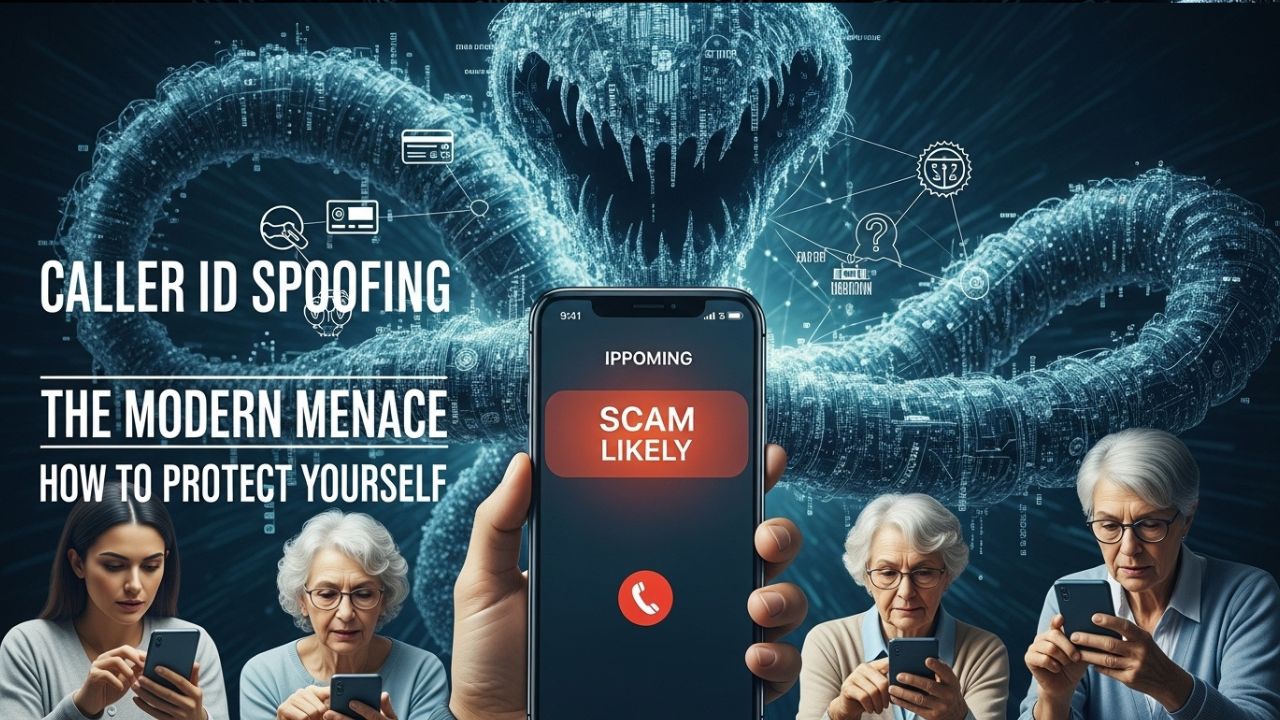
You’re going about your day when your phone rings. The number looks eerily familiar—it shares your area code and the first three digits of your own number. Or perhaps, it appears to be from a trusted local business or even a government agency like the IRS. You answer, only to hear a robotic voice warning about your car’s extended warranty or a fictitious debt. You’ve just encountered a “scamlikely” call. This term has evolved from a catchy phrase into a ubiquitous descriptor for the relentless wave of fraudulent phone calls fueled by caller ID spoofing. These calls are more than a nuisance; they are a sophisticated attempt to steal money and sensitive data, exploiting trust and urgency. Understanding the mechanics behind these scams and implementing robust defenses is no longer optional; it’s essential for personal and financial security in the digital age.
Decoding “Scamlikely”: How Caller ID Spoofing Works
The very essence of a scamlikely call is deception. At its core is a technology called caller ID spoofing. Spoofing allows scammers to deliberately falsify the telephone number and, sometimes, the name displayed on your caller ID. They use Voice over Internet Protocol (VoIP) services and readily available software to mask their true, often international, origin.
Scammers employ several common spoofing tactics to appear scamlikely:
-
Neighbor Spoofing: The call appears to come from a number with your local area code and exchange, creating a false sense of familiarity and increasing the likelihood you’ll answer.
-
Impersonation Spoofing: The caller ID displays the name and number of legitimate entities—banks, utility companies, tech support like “Microsoft,” or government bodies. This exploits institutional trust.
-
Hijacked Numbers: Sometimes, the number displayed isn’t just fabricated; it’s an actual, active number belonging to an innocent person, whose number has been stolen and used as a cloak for fraud.
This technological trickery makes every unknown call a potential scamlikely threat, eroding the fundamental trust we once placed in caller ID systems.
The Common Faces of a Scamlikely Scam
While the spoofed numbers vary, the scripts behind these scamlikely calls follow predictable patterns designed to trigger fear, greed, or urgency. Here are the most prevalent schemes:
The Fake Warranty or Insurance Pitch
One of the most persistent scamlikely campaigns involves unsolicited calls about your vehicle’s extended warranty or health insurance plans. The caller claims your coverage is expiring and pressures you into purchasing overpriced or completely non-existent policies, often requesting immediate payment via gift cards or wire transfer.
The Government or Tax Impersonator
In this high-pressure scamlikely scenario, the caller poses as an agent from the IRS, Social Security Administration, or local law enforcement. They allege you owe back taxes, have committed fraud, or have a warrant for your arrest. The solution? Pay a fine immediately, usually through untraceable means, to avoid supposed legal consequences.
The Tech Support Fraud
This scamlikely call preys on a lack of technical knowledge. The “support agent” claims to be from a well-known company like Apple or Microsoft, warning that your computer has been infected with a virus. They direct you to a website to grant them remote access, where they can then install malware, steal data, or charge exorbitant fees for unnecessary “repairs.”
The Bank or Financial Institution Alert
A seemingly urgent call or automated message appears to come from your bank or credit card issuer, reporting suspicious activity. To “verify your identity” or “secure your account,” they prompt you to provide your full account number, PIN, or online banking passwords—handing them direct access to your finances.
Fortifying Your Defenses: How to Stop Scamlikely Calls
While eliminating all scamlikely calls is challenging, you can dramatically reduce your risk and exposure by taking proactive steps.
Leverage Your Carrier’s Tools and Call-Blocking Apps
Most major phone carriers offer free call-blocking and labeling services (like AT&T Call Protect, T-Mobile Scam Shield, or Verizon Call Filter). Enable them. Additionally, use third-party apps like Nomorobo, Hiya, or Truecaller. These apps use vast databases of reported scam numbers to identify and silence scamlikely calls before your phone rings.
Master the Art of Not Engaging
Your response is a critical layer of defense. The single most important rule: If you don’t recognize the number, don’t answer. If it’s legitimate, the caller will leave a voicemail. If you do answer accidentally and suspect a scamlikely call, hang up immediately without pressing any buttons, even if prompted to “press 1 to speak to an agent or be removed from the list.” Engagement confirms your number is active.
Verify, Then Trust
If a caller claims to be from a legitimate organization, end the call. Then, independently find the official customer service number from your bill, statement, or the company’s verified website. Call them directly to inquire about the issue. A genuine representative will confirm if the contact was legitimate.
Strengthen Your Data Privacy
Scammers often obtain numbers from data brokers and public leaks. Be cautious about where you share your phone number online. Regularly review your privacy settings on social media and consider removing your number from public profiles. Registering your number on the National Do Not Call Registry (donotcall.gov) won’t stop fraudulent callers, but it can reduce legitimate telemarketing, making scamlikely calls easier to spot.
What to Do If You Become a Victim
Despite precautions, some schemes are convincing. If you’ve fallen for a scamlikely call and provided money or information, act swiftly:
-
Financial Information: Contact your bank or credit card company to report fraud, freeze your accounts, and issue new cards.
-
Personal Data: Place a fraud alert on your credit reports with the three major bureaus (Equifax, Experian, TransUnion).
-
Report the Scam: File a report with the Federal Trade Commission (FTC) at ReportFraud.ftc.gov and the Federal Communications Commission (FCC). This helps agencies track and combat these crimes.
Conclusion
The scamlikely epidemic is a byproduct of our interconnected world, where technology that enables global communication can also be weaponized for fraud. There is no single solution, but through a combination of skepticism, technology, and proactive privacy habits, you can reclaim a sense of safety. Treat every unexpected call with caution, empower your phone with blocking tools, and remember that legitimate organizations will never demand immediate payment or sensitive information over an unsolicited call. By staying informed and vigilant, you can ensure that when a scamlikely number flashes on your screen, it’s met with silence, not surrender.
ALSO READ:
The Digital Incantation: Unraveling the Significance of “hellooworl”